Securing network and equipment in medical practices is essential to protect patient data, ensure operational continuity, and comply with standards like Core Standard 6 of the RACGP Standards (5th Edition). In an environment where electronic health records (EHRs), diagnostic tools, and telehealth systems rely on interconnected technology, vulnerabilities in networks or devices can expose sensitive clinical information to cyberattacks, disrupt care, or breach regulations like the Privacy Act 1988. A comprehensive security approach safeguards both infrastructure and patient trust.
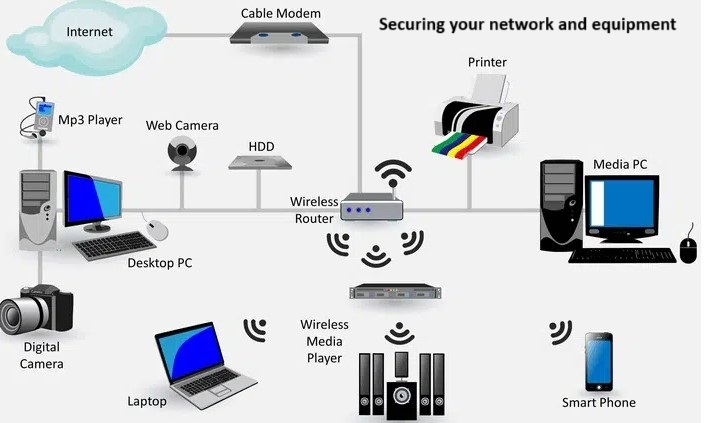
Network security starts with a robust foundation. Firewalls act as gatekeepers, filtering incoming and outgoing traffic to block unauthorized access, while intrusion detection systems monitor for suspicious activity, such as malware or hacking attempts. Segmenting the network—separating patient data systems from guest Wi-Fi or administrative functions—limits the spread of breaches. Encryption is non-negotiable; it secures data in transit (e.g., during telehealth consultations) and at rest (e.g., in EHR databases), rendering intercepted information unreadable without keys. Virtual Private Networks (VPNs) further protect remote access, critical as staff increasingly work offsite.
Equipment security focuses on the physical and digital integrity of devices. Medical practices often use a mix of computers, tablets, and specialized tools like imaging machines, all potential entry points for threats. Strong access controls—such as unique logins with multi-factor authentication (MFA)—prevents unauthorized use. Regular software updates and patches close vulnerabilities, while antivirus programs detect and neutralize malware. Locking devices when unattended and disabling unused ports (e.g., USB drives) reduce physical tampering risks. For mobile equipment, like laptops used in home visits, remote wipe capabilities ensure data erasure if lost or stolen.
Maintenance is key. Regular audits of network performance and equipment status identify weak points, while penetration testing simulates attacks to expose gaps. Secure disposal of old hardware—wiping drives to Australian standards—prevents data leaks. Staff training reinforces these measures, teaching secure practices like avoiding public Wi-Fi for work tasks.
By securing networks and equipment, medical practices mitigate risks like ransomware or data theft, ensuring uninterrupted access to critical systems. This not only protects patient confidentiality and safety but also upholds the practice’s reputation and legal standing in an increasingly digital healthcare landscape.
Call us on 1300 882 646 to discuss your requirements or email us: support@premiumssaus.com.au